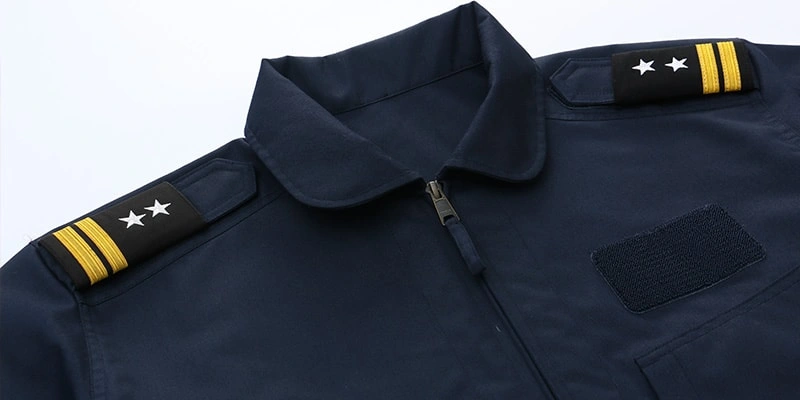
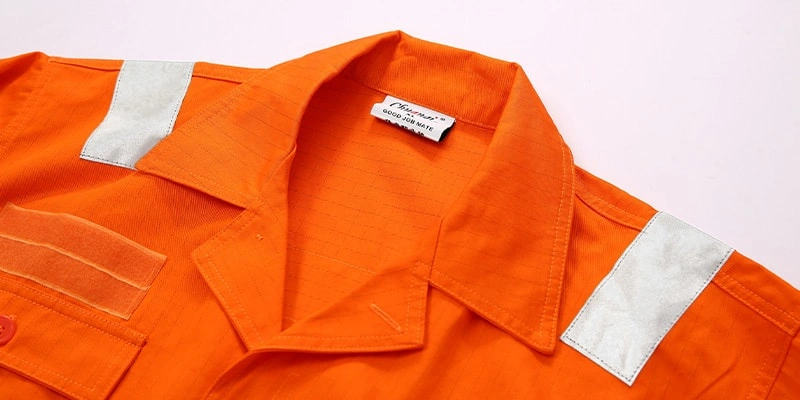
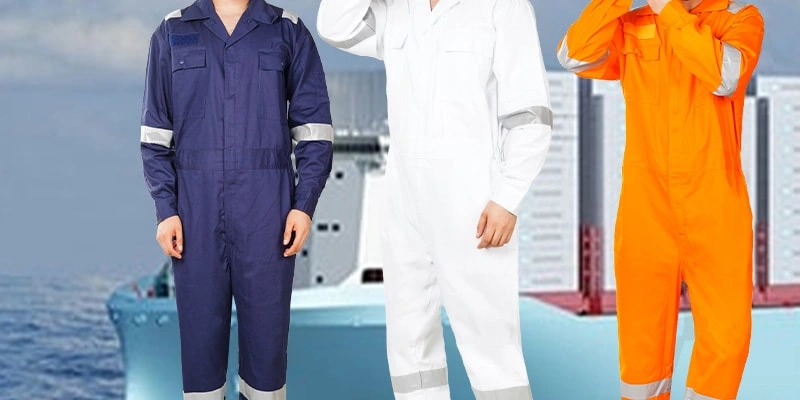
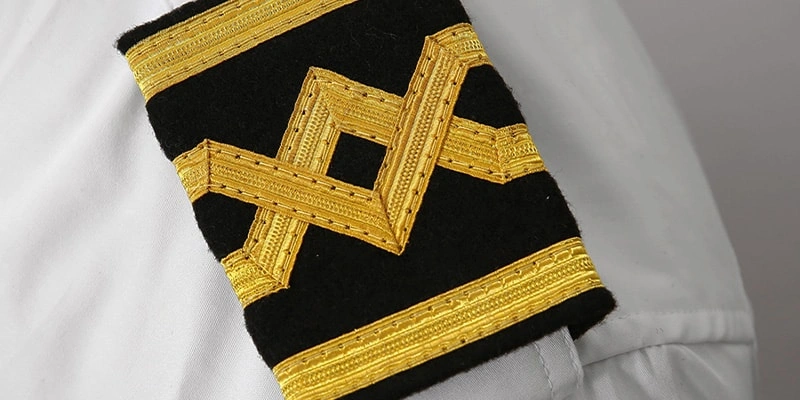
The fabrics used for crew members’ flame-retardant coveralls fall into two categories: inherently flame-retardant (aramid fibers are naturally heat-resistant and non-flammable; when exposed to fire, they only char and shrink without melting or dripping, forming a dense char layer with excellent thermal insulation properties) and post-treated flame-retardant (cotton fibers treated with eco-friendly flame-retardant agents via the pad-dry process; when exposed to fire, they form a thermal insulation char layer that suppresses combustion and achieves self-extinguishing properties, no melting droplets). In special environments, flame-retardant and anti-static coveralls must be worn.
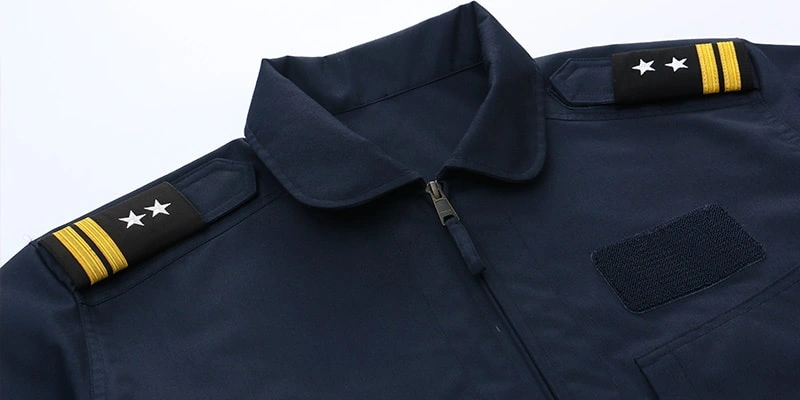
I. Mandatory Requirements for Flame-Retardant Coveralls:
1. Self-extinguishing upon contact with fire, with no flame spread. When exposed to open flames, hot metal, or electrical sparks, the flame will self-extinguish within 1–3 seconds, and the flame will not spread across the fabric surface; only localized charring occurs at the point of contact, preventing the fire from spreading and igniting the entire garment.
2. No melting droplets and no skin adhesion, preventing secondary burns. When exposed to high temperatures, the fabric will only char and shrink; it will not melt and produce droplets. This prevents droplets from adhering to the skin and causing deep burns, which is also the key reason why pure synthetic fiber garments are strictly prohibited for cabin operations.
3. The char layer provides thermal insulation and delays heat transfer. When exposed to fire, the fabric forms a dense protective char layer that effectively blocks the transfer of high temperatures to the skin. This buys crew members time to evacuate or extinguish the fire within a short period (the national standard requires ≥10 seconds), thereby reducing the severity of skin burns.
4. Long-lasting flame-retardant performance and resistance to frequent washing: Shipboard workwear requires daily washing. The flame-retardant properties of high-quality garments are inherent to the fabric itself (rather than relying on sprayed flame-retardant agents). These properties do not diminish after ≥50 washes, with no peeling or failure issues, making them suitable for the frequent washing demands of shipboard environments.
II. Precautions for Using Flame-Retardant Coveralls
1. Wear only 100% cotton undergarments; never wear synthetic fiber undergarments (such as nylon or polyester) underneath, to prevent them from melting and dripping onto the skin in the event of a fire, which would compromise the protective effectiveness of the fire-resistant coveralls;
2. Avoid contact with strong acids and alkalis, and do not allow oil stains to accumulate for extended periods. Oil stains in the engine room must be cleaned promptly to prevent them from penetrating the fabric and affecting flame-retardant performance;
3. Wash gently in cold water with a neutral detergent. Do not machine wash or spin-dry, and do not iron at high temperatures (temperature ≤ 60°C). After air-drying, fold and store in a dry, well-ventilated compartment to prevent moisture and mold, and avoid direct sunlight (which accelerates fabric aging);
4. Vessels must conduct a flame-retardant performance test on flame-retardant coveralls every 6 months. If there is an increase in after-flame time, melting and dripping, fabric damage, or aging of accessories, the garment must be immediately discarded and replaced;
5. Do not alter or modify flame-retardant coveralls without authorization: Do not arbitrarily trim the pant legs or cuffs, and do not add non-flame-retardant accessories, to avoid damaging the fabric structure and compromising flame-retardant and charring performance.









No. 368, West Huanghe Road, Huangdao District, Qingdao City, Liandong U Valley No. 12
Copyright © 2026 by Qingdao CHUANQI Escort Technology Co., Ltd. All Rights Reserved