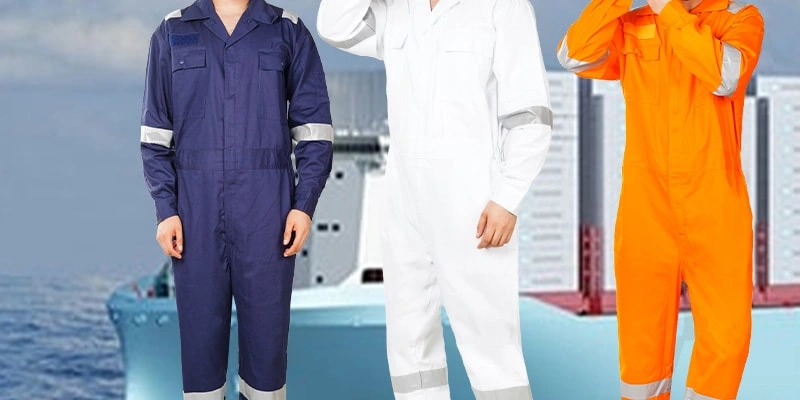
The core function of anti-static coveralls for seafarers is to effectively dissipate static electricity from the human body and prevent sparks and static-induced adhesion. At the same time, they must meet the basic requirements for shipboard operations, such as abrasion resistance, oil resistance, and tear resistance. These coveralls must comply with anti-static safety standards and are mandatory protective gear in flammable and explosive environments, such as on hazardous cargo ships and oil and chemical tankers.
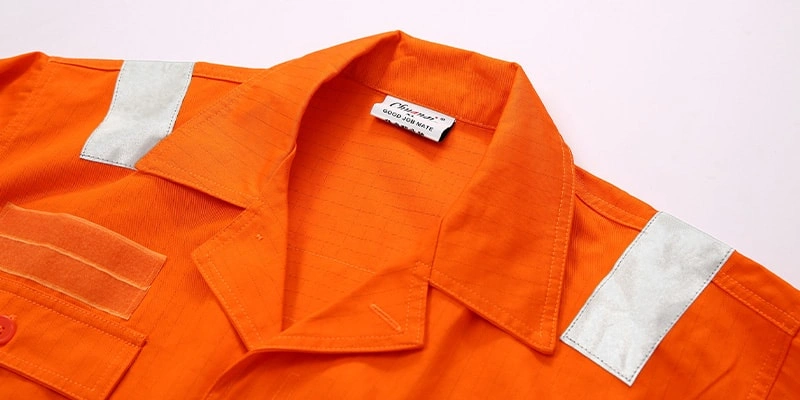
I. Core Anti-Static Performance
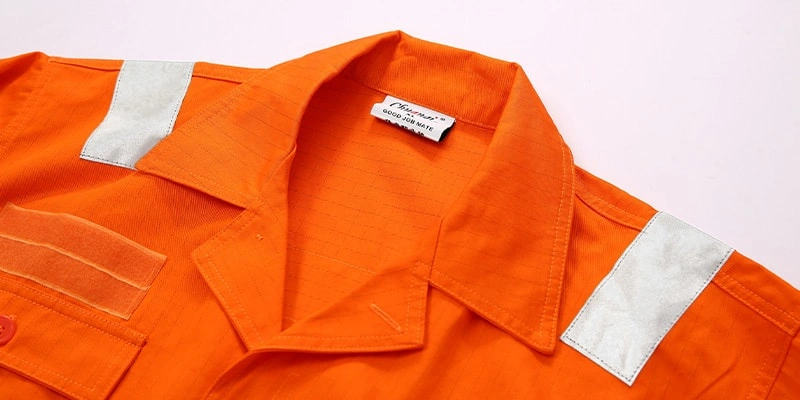
1. The core of anti-static coveralls lies in the weaving of conductive carbon fibers into the fabric in a grid-like pattern. This rapidly conducts static electricity generated by the body to the ground (requires use with anti-static safety shoes), ensuring that static charges do not accumulate on the body’s surface and preventing high-voltage sparks caused by static buildup from triggering fires;
2. Anti-static coveralls prevent the attraction of foreign particles such as oil, dust, and lint from the air, keeping the garment’s surface clean. This reduces secondary hazards caused by dust accumulation and minimizes the discomfort crew members may experience from foreign particles adhering to their clothing during operations;
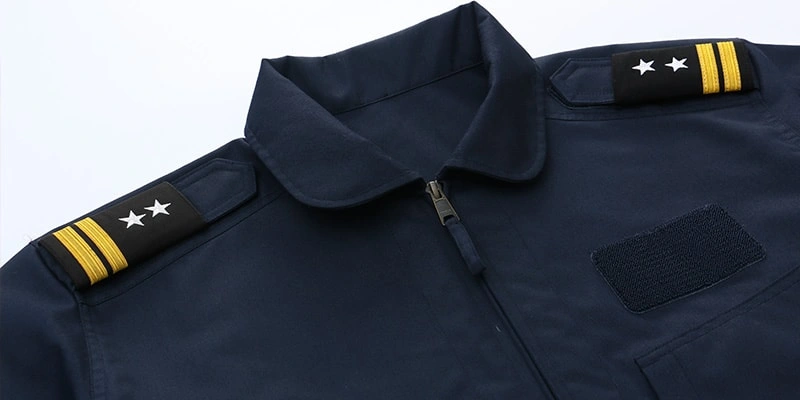
3. The use of metal accessories is generally prohibited. Accessories such as resin zippers, resin buttons, and nylon Velcro must be covered with a flap and must not be directly exposed when worn to prevent corona discharge and static electricity generated by friction.
4. Anti-static coveralls for ships are classified as special occupational safety and health products. Compliance certification is mandatory, and they must meet the EN 1149-5/GB 12014-2019 national standards. A test report issued by a third-party testing agency is required.
II. Precautions for Using Anti-Static Coveralls
1. Must be used in conjunction with anti-static safety shoes, anti-static wrist straps, and ankle straps to form a complete discharge circuit. Do not put on or take off anti-static coveralls in flammable or explosive areas.
2. Inspect the surface of the anti-static coveralls to ensure there is no oil, dust, or chemical residue. Verify that the anti-static label, EN 1149-5 rating, and washing instructions are clear and complete, with no blurring or peeling.
3. Do not attach or wear metal accessories, badges, tape, etc. Do not wear ordinary synthetic fiber clothing over the coveralls; inner layers must be limited to 100% cotton or anti-static materials (synthetic fibers, wool, and down are prohibited).
4. Conduct regular resistance and charge level tests. Every 3 months or after 10 washes, test the overall surface resistance (EN 1149-1: 10⁵–10¹¹ Ω) and charge decay time (EN 1149-3: ≤4 seconds), ensuring coverage of critical areas such as the collar, back, and pant legs;
5. Scrap criteria: If surface resistance exceeds standards, conductive strips are broken, fabric damage is ≥5 mm, the number of washes exceeds the limit, or the garment is severely contaminated by chemicals, it must be immediately scrapped and replaced.









No. 368, West Huanghe Road, Huangdao District, Qingdao City, Liandong U Valley No. 12
Copyright © 2026 by Qingdao CHUANQI Escort Technology Co., Ltd. All Rights Reserved