The core principles for selecting crew coveralls are suitability for the work environment, compliance with maritime safety standards, and functionality and comfort. Selection should be based on specific requirements such as vessel type, onboard position, functional needs, materials, craftsmanship, and fit details.
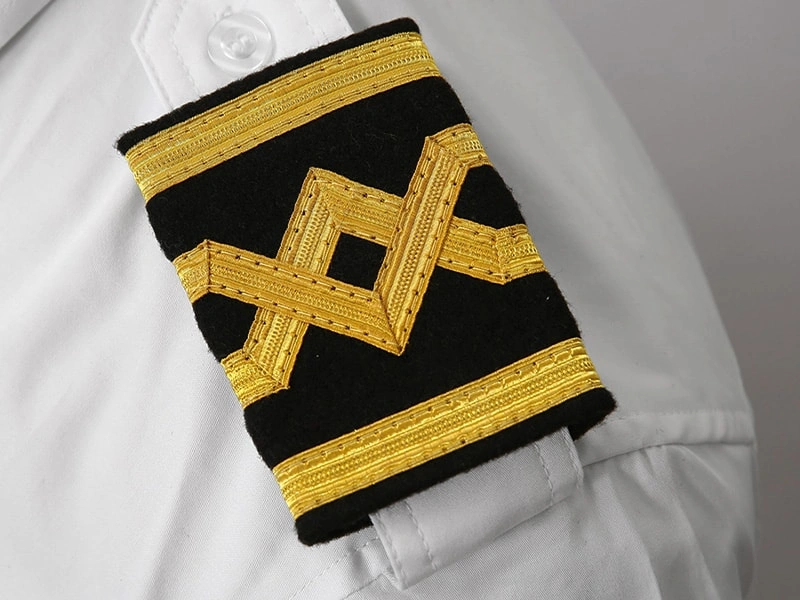
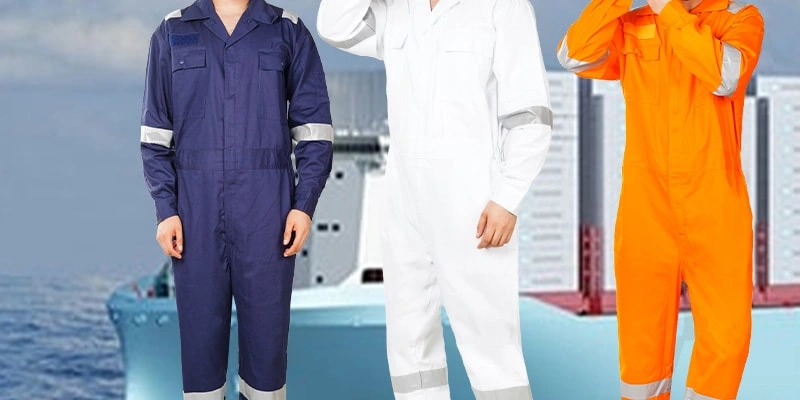
I. By Common Types of Crew Coveralls: 100% cotton coveralls, anti-static coveralls, and flame-retardant anti-static coveralls.
II. Defining Basic Functions by Work Environment/Position:
1. Deck Positions (Sailors, Helmsmen, Watchkeepers): Core Requirements: High visibility + 100% cotton durability + wind resistance and stain resistance. Deck work is conducted outdoors and involves frequent contact with ropes and friction against the deck. High-visibility 100% cotton coveralls are the preferred choice, and the fabric must offer UV protection (UPF 50+ is optimal).
2. Engine Room Positions (Engineers, Engine Room Crew): Core Requirements: High visibility + durable 100% cotton + anti-static + oil-resistant. Engine rooms involve open flames, high-temperature equipment, and oil/gas fumes, making static electricity a common hazard. Anti-static coveralls compliant with maritime standards must be selected; avoid ordinary synthetic fabrics that are easily melted or flammable.
3. Kitchen Positions: Core Requirements: Oil-resistant, waterproof, and easy to clean. Select specialized chef uniforms designed for frequent washing.
4. Special Operations on Hazardous Cargo Vessels (LNG carriers, chemical tankers, oil tankers, LPG carriers): Core Requirements: Select multifunctional flame-retardant and anti-static coveralls that are highly visible, made of durable 100% cotton, anti-static, and flame-retardant. Emergency response positions require additional waterproof and cold-resistant coveralls.
III. Production Process Details for Coveralls:
1. Stitching: Prioritize double-stitching for greater durability (areas prone to stress during crew operations, such as shoulders, elbows, knees, and crotches, where single-stitching is prone to fraying);
2. Zippers: Double-slider zippers are recommended. Given the oily, damp, and high-friction conditions of shipboard operations, No. 5 resin zippers possess the physical properties to withstand these harsh environments. Their lifespan far exceeds that of standard zippers, making them suitable for the high-frequency use required by workwear.
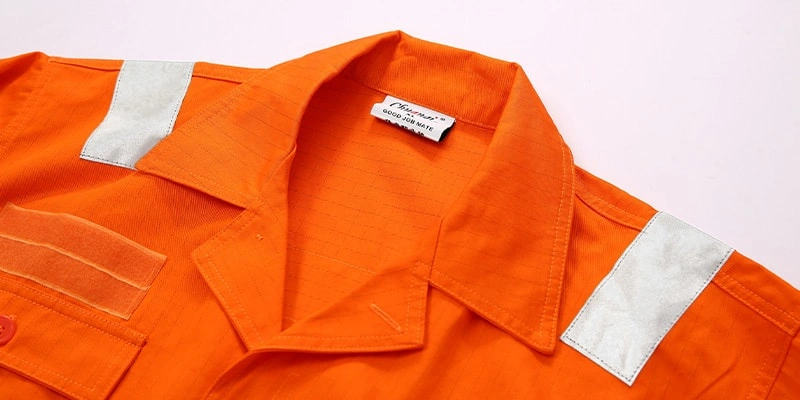
3. High-Visibility Coveralls: The width, quantity, and placement of reflective strips must comply with standards (e.g., torso reflective strips ≥5 cm wide, double-stitched wrap-around design). Avoid low-quality versions where reflective strips are merely surface-mounted and prone to peeling off.
4. Fit: Crew members must be able to bend over, climb, raise their arms, and squat without feeling constricted. Choose a loose, slightly roomy cut, but avoid overly baggy styles (to prevent snagging on ship equipment);
5. Cuff and Hem Design: Cuffs and pant legs should be adjustable (to prevent sea breeze, insects, and oil from entering, and to avoid snagging);
6. Pockets: Include utility pockets (such as chest pockets, back pockets, and thigh side pockets) for storing walkie-talkies, wrenches, bottled water, pens, etc. Pockets should have closures to prevent items from falling out during work;
7. Labels and Details: Fabric should have no unnecessary embellishments (to prevent snagging). Collars should be stand-up or lapel styles (to protect the neck from abrasions and sunburn), and there should be no sharp metal hardware.
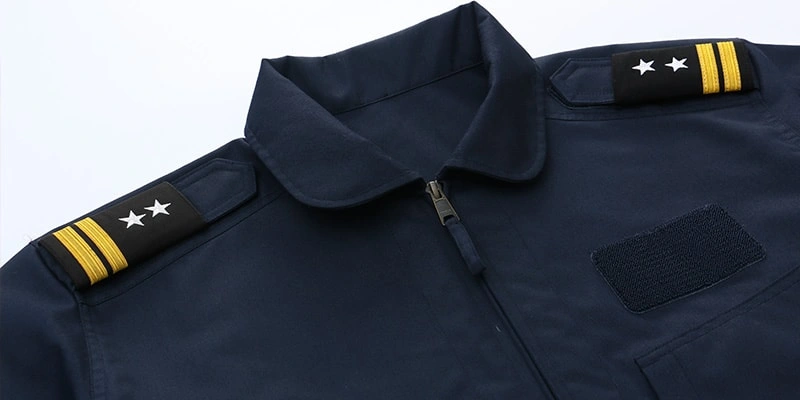
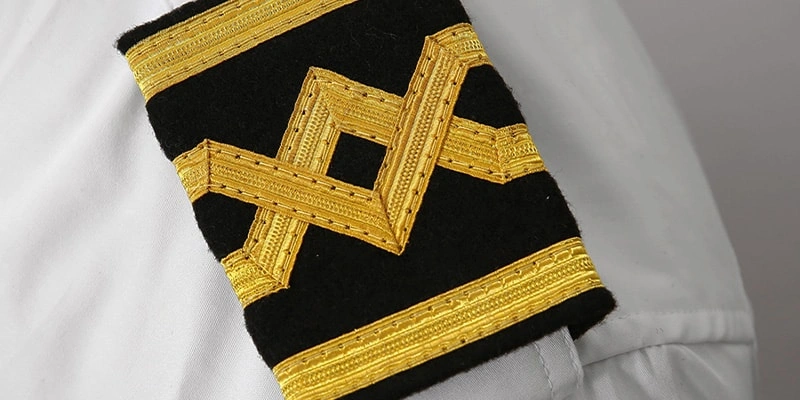
8. Customization: Can be customized with the shipping company’s name and position identifiers for easier management; when customizing, ensure identifiers are applied via heat transfer or embroidery (to prevent peeling of printed designs);
9. Sizing: Sizes are determined based on crew members’ height and weight statistics, with a size range from S (160 cm) to 6XL (205 cm)
IV. Confirmation of Compliance and Certification:
Fabric complies with OEKO-TEX certification; meets the EN 1149-5 functional standard for anti-static coveralls; meets the EN ISO 11612 functional standard for flame-retardant coveralls; meets the EN ISO 20471 functional standard for high-visibility workwear;









No. 368, West Huanghe Road, Huangdao District, Qingdao City, Liandong U Valley No. 12
Copyright © 2026 by Qingdao CHUANQI Escort Technology Co., Ltd. All Rights Reserved